
How I work

Perspective: A problem well stated is half solved
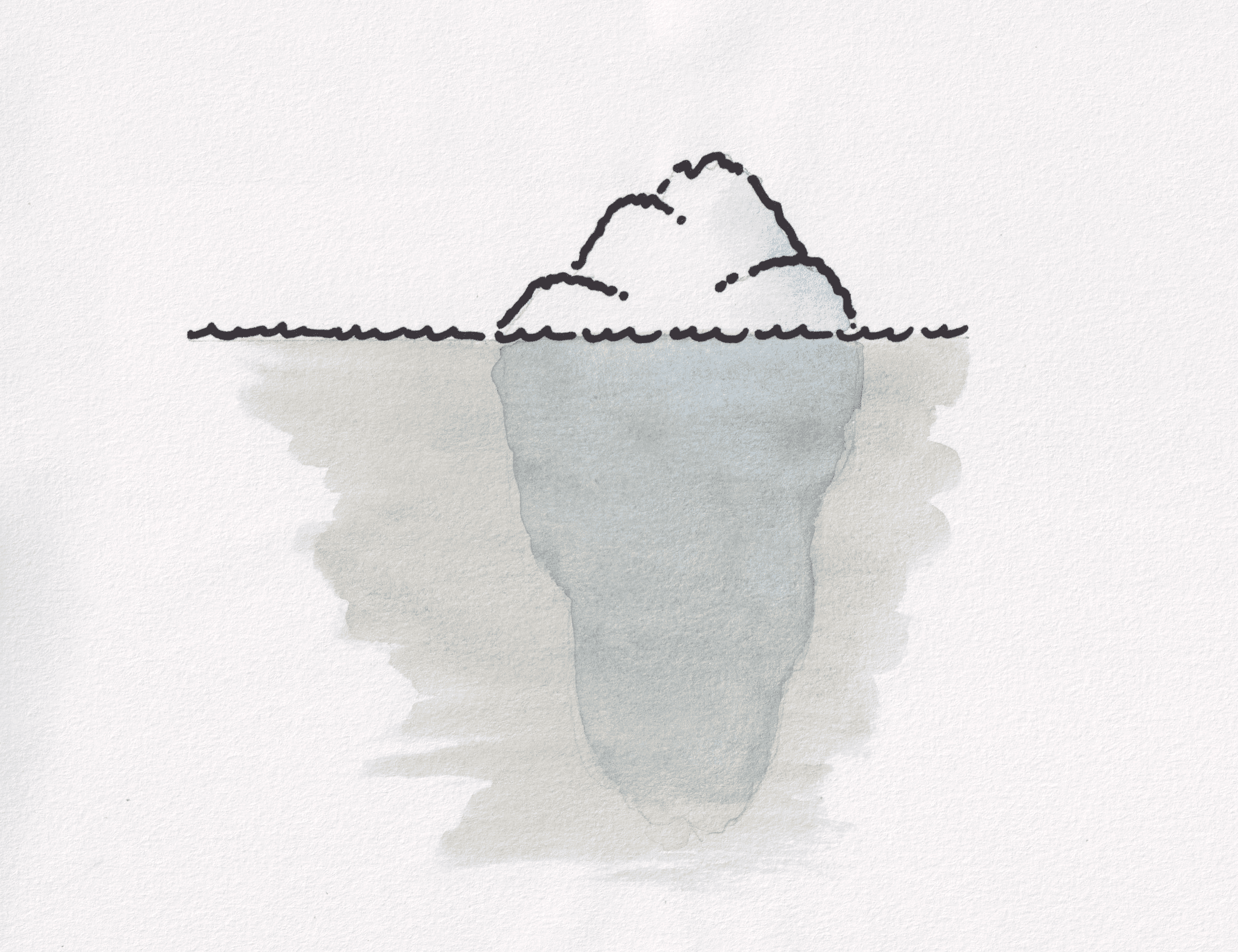
Most improvement efforts fail not because of bad ideas or lack of effort, but because the underlying system that produces the problem stays untouched. Understanding a system means going beyond the symptoms: talking to the people doing the work, observing how things actually happen, and taking time to find the structure beneath the surface.
Step 1: Discovery and diagnosis

Measure twice, cut once.
Every engagement starts the same way: I spend time understanding before recommending anything. That means interviews, observation, and enough time to see the patterns — not just the incidents. The goal is a clear picture of why things work the way they do, not just a list of what's wrong.
Step 2: Design thoughtful interventions

What comes next depends on what the diagnosis reveals. Sometimes the leverage point is a process. Sometimes it's a knowledge gap, a structural misalignment, or a cultural norm that's quietly undermining everything else. I don't arrive with a pre-packaged solution — because a solution designed before the diagnosis is just a guess.
Step 3: Implementation support & sustaining change

See it through. Support the long game.
Diagnosis and design are only half the work. Change fails most often not in the planning but in the doing — when the initiative meets the reality of a busy firm and starts to drift. I stay engaged through implementation, helping teams navigate the challenges that every real change effort encounters. I provide ongoing support as-needed to maintain and improve the program.
If you're wondering whether this translates to your business, that's exactly the conversation I'd like to have.
© 2026 Aligned Practice Consulting, LLC